DOCS II
The platform
DOCS II —
Digital Opacity Compliance System
A compliance record with three properties a paper form does not have: retrievability, reproducibility, and defensibility.
What it does
DOCS II automates the opacity observation workflow, converting the traditional paper Method 9 observation into a digital record.
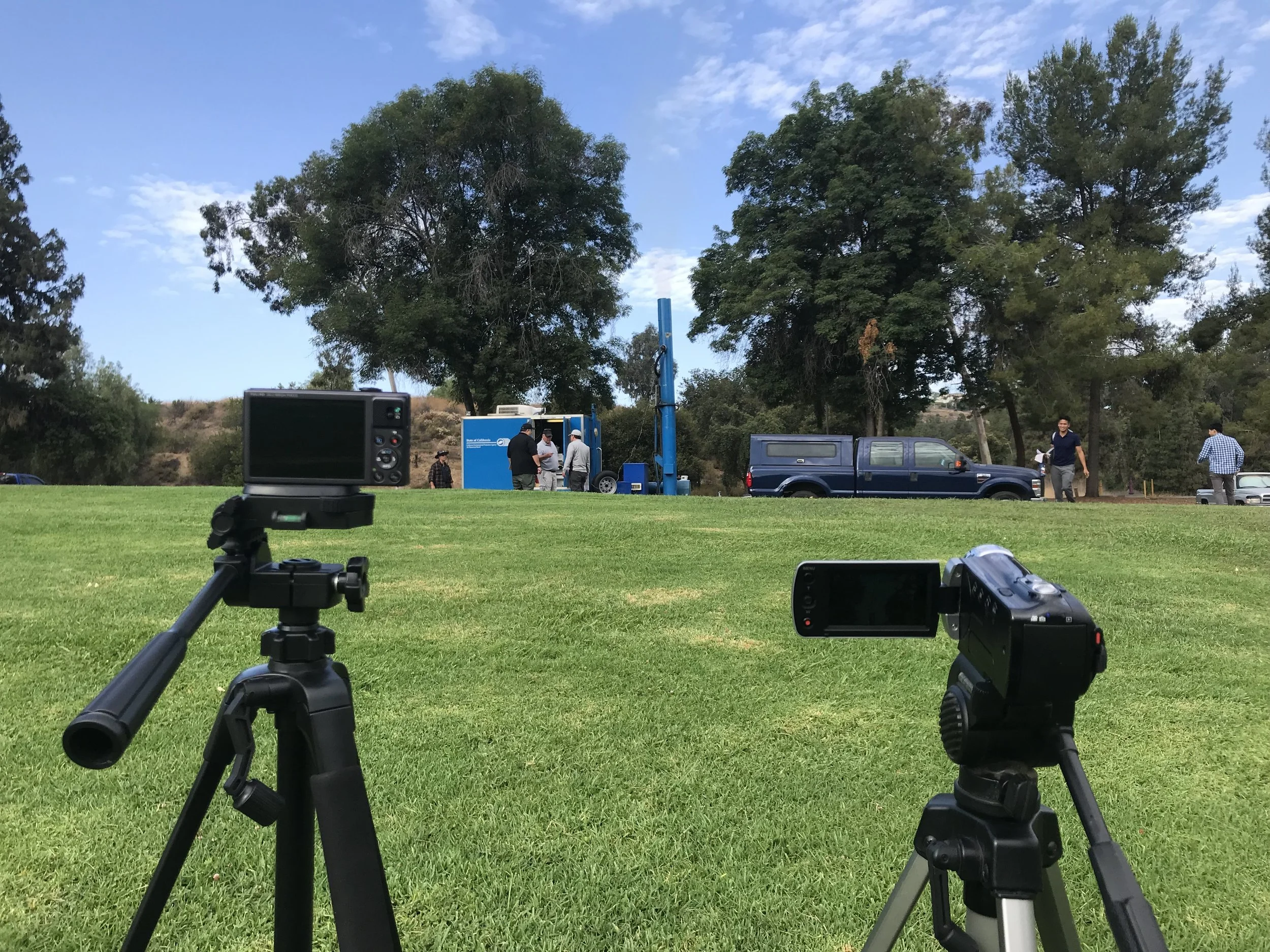
In the field it captures the observation from a smartphone or digital camera — source and site imagery, GPS position, solar angle, distance and viewing angle to the source, and weather conditions pulled from NOAA — then transmits the imagery with its full metadata for analysis.
How an observation becomes a record
The workflow
A certified operator records the emission source with a certified camera configuration, at the required distance and sun angle. Position, bearing, distance, weather and time are captured alongside the imagery.
1Capture in the field
Analyze against calibration
2Each frame is scored inside an analyst-defined region over the plume, measured against contrast and luminance values calibrated at smoke school with known opacity.
A trained reviewer confirms the reading before it becomes a formal observation. Both the analysis and the human decision are written to the record.
3Confirm and record
The completed observation, its source imagery and its full field metadata are retained and exportable as a compliance record for permit reporting, agency submittal, or later defense.
4File and retain
Certification and Procurement
What stands behind it
ASTM D7520 - 16
Certified under the digital camera opacity standard, since 2009
EPA ALT-082
Approved under 40 CFR Parts 60, 61 and 63, since 2012
Required method
D7520-16 is the specified opacity method under the Ferroalloys NESHAP, 40 CFR 63.1625(b)(9)
GSA SCHEDULE
Available for direct government procurement
In production
Developed under Department of Defense contract, shipping since 2008
If a reading is challenged
We stand behind it.
Certification records, the underlying analysis, and technical support through the proceeding.
Bring us a source and we'll show you the record.
Tell us what you operate or regulate, and we'll walk through a real observation end to end — capture, analysis, confirmation, and what you're left holding.